Recently I declared a particularly pleasant, sunny day to be a “Day of Enjoyment”. I decided not to think very much about global problems: the “polycrisis” of climate, biodiversity loss, senseless wars, terrible political leaders and the like. I listened to birdsong. Messed around in the garden. Watched grebes parenting their young in the local lake. Wrote what I felt like writing.
The world was fantastically beautiful that day. In order to see it, to really experience it, I needed to look away from other things — things I mostly see through my various digital devices, but also through books I read, and especially in the thoughts I regularly think.
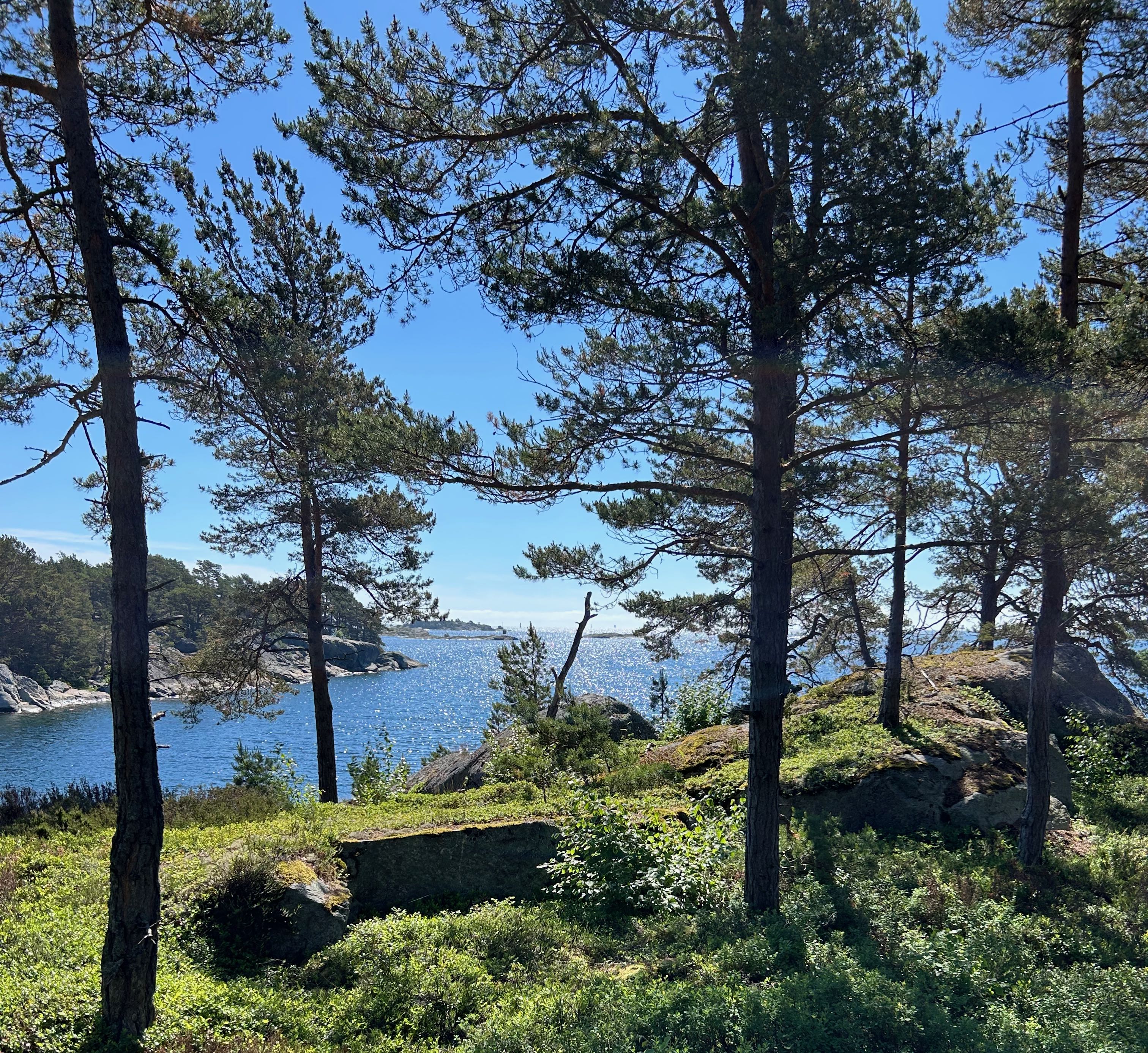
Looking away from the planet’s many troubles is often framed as a failing, or even a sin. And yet I try to do it regularly, with great intention.
Sometimes I succeed, sometimes I do not. On my “Day of Enjoyment” (I actually wrote this phrase into my planning calendar) I succeeded spectacularly. My whole being was suffused with a lightness, a calmness, from morning to night.
When hanging the laundry, I was just hanging the laundry. Breathing the warm Spring air. The sun beaming on my neck. Damp fabric feeling good in my hands. Knowing that later, these clothes would be dry.
Sometimes I do not succeed. Try as I might — or even, “not-try” as I might — the world’s problems come crashing into my mental arena, demanding that I have feelings about them. That I do something about them.
I have invested most of a professional lifetime in trying “do something” about global problems, and in helping others to do the same. It is abundantly clear to me that we, meaning all of us who care enough to engage, must do a hell of a lot more than we are currently doing. Or that we have to do it differently. Most of all, we need to be grow the “we”.
But not always. Not constantly.
Our minds need rest from care and concern, from hope and worry and striving. From trying to make the world a better place. From trying to understand why that is so difficult.
The world’s troubles will still be there when you turn your gaze back at them.
Looking away with intention is a necessary skill. It is also an art. In fact, creating art is a very good way to do it. I personally go into a completely different frame of mind when I do art, a wordless space where the usual narratives cease to enthrall me, at least for a time.
I practiced Zen meditation for many years. While I no longer sit and breathe on a cushion, the habits of mind I acquired there are very helpful. When I remember to do so, I practice them when emptying the dishwasher. Pulling weeds. Folding and sorting the laundry, which had stiffened like paper in the sharply angled Nordic sun.
This “Zen Mind” approach to daily tasks helps me to look away, at least for a while. It brings me not just pauses of mental peace, but often, moments of real joy. With a little luck, I can connect to the simple, incomparable pleasure of being alive.
I cannot describe that feeling to you. But I am guessing you know exactly what I am talking about.
So, do not worry about looking away from worldly troubles. Do it. Regularly. Using whatever skill or art you have acquired to help you do it.
And if you feel you are lacking that skill, well, now you have identified something that you really need to put at the top of your to-do list.
Practice the art of looking away.

