Last week I wrote a somewhat dispassionate (on purpose) defense of holding the center — or what used to be the center — politically. The theme of my article was resisting the current tendency towards outrage and ethical compromise that is partly driven by social media, partly by today’s dramatic and extreme political climate, and partly by the interaction of these two forces, as they play off each other to retain our attention.
One friend and reader thanked me for the piece but wondered, yes, that’s fine, but when would you be willing to join a protest or commit civil disobedience? When do you take a stand? (The person wrote this question a bit differently, but I have had similar thoughts and questions about myself after publishing the article, and I have worked those in.)
I may be very reluctant to commit civil disobedience, in general, but I will certainly take stands — for democracy and the rule of law (including international law), equality, human rights, and sustainability, among other core loyalties and beliefs.
In recent days two things have emerged that prompt me to illustrate my positioning with an example. One, the current elected Republican leader of the US government has triggered a transatlantic crisis by insisting that the US should own Greenland, which is a country in its own right and internationally recognised as part of the Kingdom of Denmark. That insistence has been backed up by the threat of tariffs on countries (including Sweden) who have stood with Denmark on this agonising, distracting, and completely unnecessary issue.
Two, a number of prominent US Republicans have joined Democrats to object to these actions and reaffirm, very publicly and across party lines, the importance of adhering to international law and not undermining international security agreements, including NATO.
Here is a conflict that has emerged between the two polities in which I hold citizenship, the US and Sweden (and through the Sweden, the EU). Sweden is implicated for its support to Denmark. The conflict is about a large island that lies in between Europe and the US (and Canada), and that is populated mostly by indigenous people and governed by them. Denmark retains responsibility for security and international relations and subsidises key functions there.
Meanwhile, the growing opposition to the geopolitical power-play being enacted on the world stage by the government of the US — a country which should be acting as an ally, but is not — is about as centrist as it gets in these times. Here in Sweden, both the current Prime Minister (who leads a largely right-wing coalition government) and the leader of the largest opposition party (a left-wing Social Democrat) have been very clear that that they are united on the point of supporting our neighbour Denmark and Greenland.
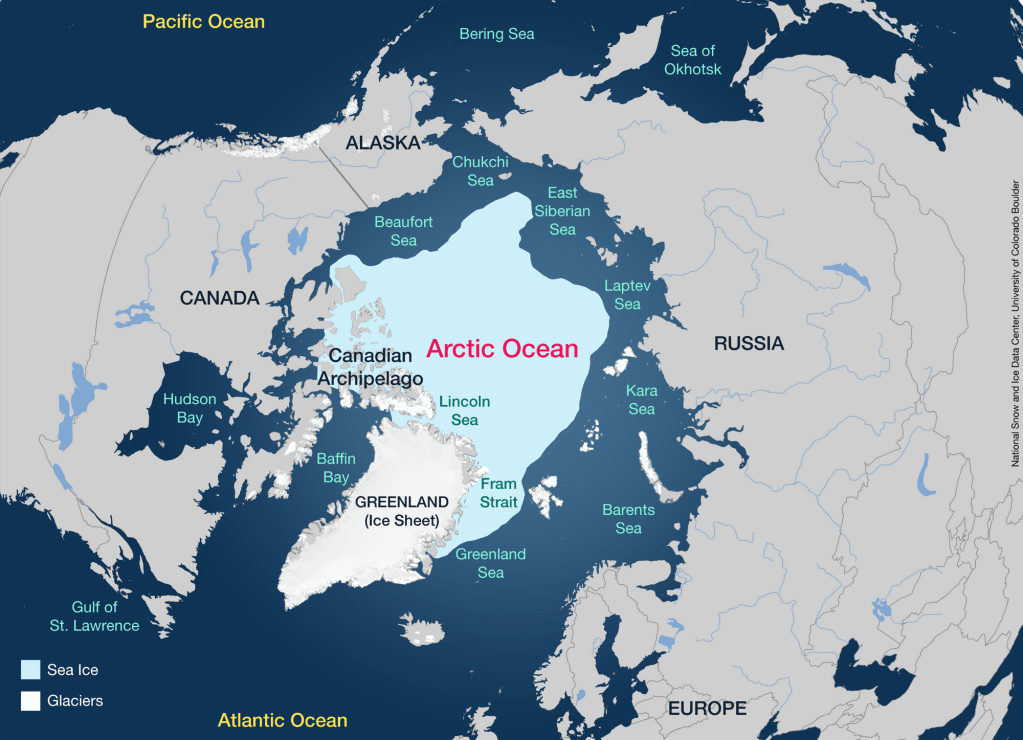
Leading figures in the Republic party in the US have also taken positions that I would define as centrist in this case: standing up for the basic principles of international relations, the law, and respect for the balance of powers in the US governmental context.
This puts Greenland squarely in the middle of a lot of things for me personally, just as it is in the middle of this important transatlantic relationship.
So where do I stand, as a Swede and as an American? With the transatlantic center. I stand with Republican Senators Lisa Murkowski of Alaska and Tom Tillis of North Carolina, as well as their Democratic counterparts (and I applaud their bravery). I stand with the broad coalition of European leaders that have determined not to be bullied into breaking with foundational norms and principles. Most importantly, I stand with the leaders and the citizens of Greenland, who have made it clear that their country is not for sale.
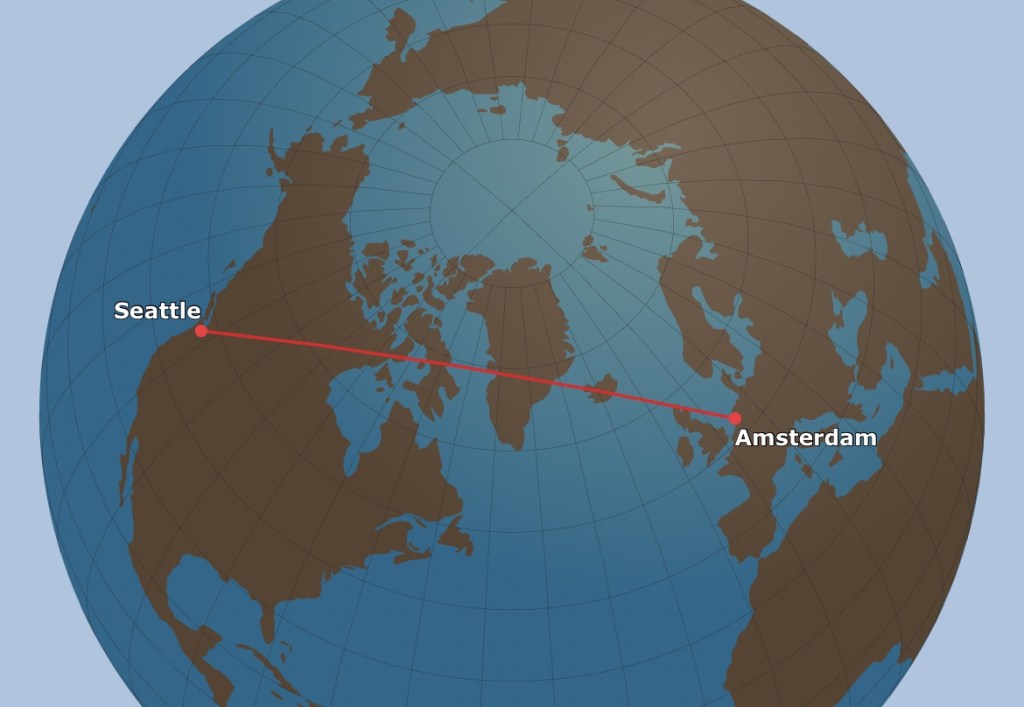
For many years before falling in love with a Swede and later becoming Swedish myself, I commuted often between my former home city of Seattle and the European hub city of Amsterdam for work. The ”great circle” trajectory that airliners use goes right over Greenland. I took every chance I could to look at Greenland from the air, admiring its icy beauty, in awe that a people could live there and endure for thousands of years, as the Inuit have. And when I got the chance to travel to Greenland and speak to sustainability champions there, I leapt at it. It is one of my favorite professional memories.
The Arctic is changing, of course, as global warming melts the ice and great powers vie for supremacy in its waters and for greater access to its resources. But the Inuit are the true owners of Greenland. Their government ”chooses Denmark”, says the Greenlandic prime minister, as their partner and protector within the polity known as the Kingdom of Denmark. I respect that choice, and I stand with the assembly of both American and European leaders that have assembled to honor that choice, and to secure the sanctity of strong international partnership across the Atlantic, holding fast to that rarest and most precious of political spaces in today’s world: the center.
*
Further Reading:
Greenland as Self-Governed Part of Denmark, Welcoming US Engagement on Already Well-Established Terms – A viewpoint from the Greenland government
”We Choose Denmark” – Statement by Greenland Prime Minister
https://www.bbc.com/news/articles/c4g3kw5ezepo
Greenland history and relations with Denmark
Why is Greenland part of the Kingdom of Denmark? A Short History | DIIS
 Alan AtKisson